If you haven’t experienced it firsthand, you’ve seen it in popular media. Several variables go into the amount you can drink before feeling the effects, including your size, weight, sex, and age. Social pressure often leads people to drink beyond their limits, but prioritizing health over peer expectations is crucial. For instance, a 2019 survey revealed that 30% of young adults aged 18–25 engaged in binge drinking (4–5 drinks in 2 hours for women/men) due to social norms, despite knowing the risks.
- Building alcohol tolerance in a week is not advised, as it can lead to health risks and alcohol dependence.
- For instance, a 2019 survey revealed that 30% of young adults aged 18–25 engaged in binge drinking (4–5 drinks in 2 hours for women/men) due to social norms, despite knowing the risks.
- Researchers have found there are a few different types of tolerance that people develop in response to alcohol use.
- This is exactly how a simple goal of handling your liquor better can slowly twist into a compulsion you can’t control.
- For example, aim to consume no more than one standard drink per hour, as this gives your liver enough time to metabolize the alcohol.
How can I safely build up my alcohol tolerance?
A safer way to increase your tolerance is to gradually increase the amount you drink each time. For example, if you usually feel intoxicated after one drink, try having one and a https://profabrique.com.tr/?p=19118 half or two drinks. Remember to do this slowly and responsibly, so you do not inadvertently harm yourself or others. Training your alcohol tolerance is a topic that often sparks curiosity, but it’s important to approach it with caution and awareness of potential risks. Factors like genetics, body weight, metabolism, and overall health play significant roles in how alcohol affects an individual. Instead of focusing solely on tolerance, it’s advisable to prioritize moderation, hydration, and understanding personal limits.

Drug Abuse Financial Costs

Dehydration can exacerbate the negative effects of alcohol, such as headaches and fatigue, so maintaining hydration is crucial for managing how your body responds to alcohol. Additionally, pacing yourself with water Drug rehabilitation gives you more control over your drinking, allowing you to better gauge your limits and avoid overconsumption. Alcohol tolerance is a sign of alcohol dependence, and regularly drinking large amounts of alcohol can lead to serious health problems. Building a tolerance means that you do not notice the effects of intoxication, which can put you at risk of engaging in dangerous behaviours such as drinking and driving. Additionally, people with a high tolerance might frequently binge drink, which can lead to alcohol poisoning and liver-related issues.
Example Weekly Schedule for Safe Adaptation
- ABV refers to “Alcohol By Volume,” which further refers to the presence of an alcoholic amount in your drink.
- Always prioritize your well-being and be willing to adjust your plan if you experience any adverse effects.
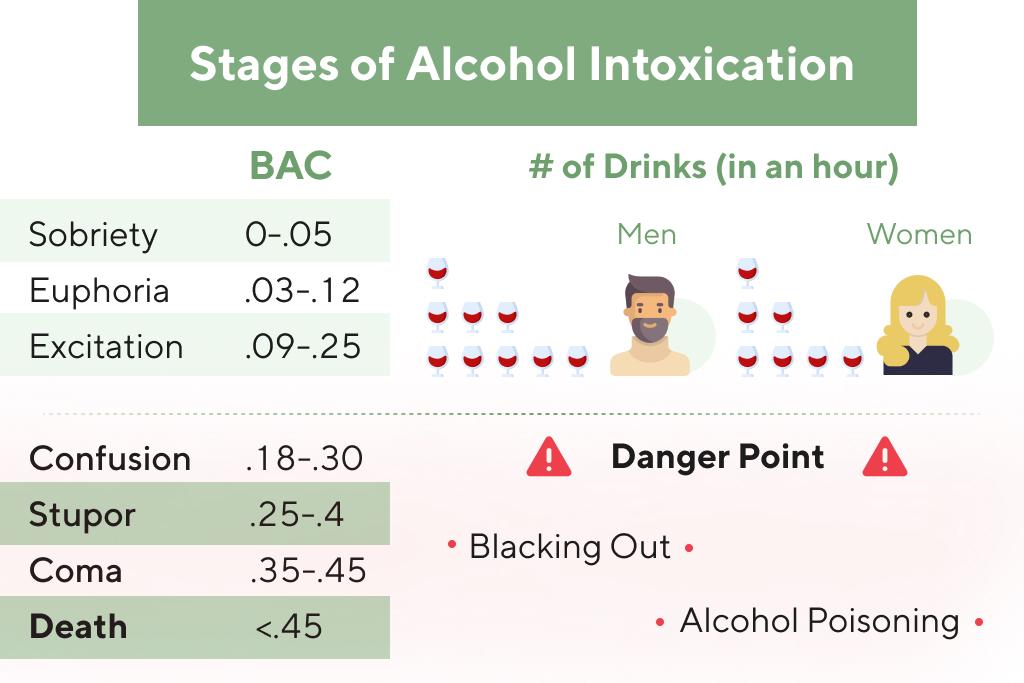
- Even small increases in BAC can decrease motor coordination, make a person feel sick, and cloud judgment.
- A high tolerance can slowly, almost unnoticeably, turn into alcohol dependence.
Finally, combine pacing yourself with other healthy habits to support your goal of building alcohol tolerance. Eat a balanced meal before drinking to slow the absorption of alcohol into your bloodstream. Avoid drinking on an empty stomach, as this can lead to faster intoxication. Additionally, prioritize sleep and overall health, as a well-rested and healthy body is better equipped to process alcohol. By adopting these habits alongside drinking slowly, you create a holistic approach to building tolerance safely and effectively.
- Avoid chugging or downing drinks quickly, as this overwhelms your system and leads to faster intoxication.
- All types of tolerance are a result of your body’s adaptation to the substance, but the different forms of tolerance can be exhibited in different ways.
- If you are intent on increasing your alcohol tolerance, it is important to do so in a safe and responsible way.
- So when your stomach is full, there’s less chances of a gastric attack and you may consume more alcohol with confidence.
Muscle growth occurs during recovery, so it is important to allow your muscles to rest between workouts. Aim to train two to three times per week, and focus on compound exercises that work multiple major muscle groups, such as squats and bench presses. It’s so important to track how much you are actually drinking, not just how you feel.
The dangers of deliberately increasing alcohol tolerance
If you’re concerned about someone who drinks too much, ask a professional experienced in alcohol treatment for advice on how to approach that person. This disorder also involves having to drink more to get the same effect or having withdrawal symptoms when you rapidly decrease or stop drinking. Alcohol use disorder includes a level of drinking that’s sometimes called alcoholism. Exercise and a healthy diet can improve overall health but do not significantly impact alcohol tolerance.
How long does it take to build up alcohol tolerance?
It responds how to build alcohol tolerance by creating more of the specific enzymes that metabolize alcohol, a process known as metabolic tolerance. A more efficient liver means alcohol gets cleared from your system faster, which is why you might notice you need another drink to feel what one used to do. While it’s true that caffeine will keep you more awake, it will not keep you more sober. In fact, this goes against the “listen to your body rule,” because you are artificially tricking it into thinking it’s better off than it is. This can lead to too much drinking, too fast, and serious black-out experiences. You’re also going to be drunker than you think you are and are more likely to do something stupid.
Avoid Binge Drinking: Consistent, moderate consumption is safer than sporadic heavy drinking
If you realize that you have been drinking increasingly greater amounts of alcohol to get the same buzz that you once did, then you have developed a tolerance for alcohol. Genetic epidemiologic studies, such as twin and family/adoption studies, have provided insights into the genetic contributions to alcohol consumption. These studies suggest that about half of the variance in alcohol consumption traits may be attributed to genetic factors. Tolerance to alcohol is when drinking the same amount no longer produces the same level of buzz.
Pushing yourself to drink more than your body can handle in an attempt to build tolerance is counterproductive and dangerous. Instead, focus on listening to your body and stopping when you feel the effects of alcohol. This mindful approach not only prevents binge drinking but also fosters a healthier relationship with alcohol. Building alcohol tolerance is not a race, and pushing yourself too hard can lead to dangerous consequences.