Understanding the psychological triggers that influence casino behavior
The Allure of Chance and Uncertainty
The thrill of uncertainty plays a pivotal role in casino behavior, as players often find themselves drawn to the unpredictability of games. This excitement stems from the fundamental human attraction to risk and the potential for unexpected rewards. The idea of winning a significant amount of money against the odds creates a rush that is hard to resist. This psychological trigger is often amplified by the visual and auditory stimuli present in casinos, which serve to heighten anticipation and engagement. For those searching for the best $10 neosurf casino australia, these elements significantly contribute to the overall experience.

Additionally, cognitive biases such as the illusion of control further enhance the allure of gambling. Many players mistakenly believe they can influence outcomes through skill or strategy, despite the inherent randomness of games like slots or roulette. This misconception can lead to an overestimation of one’s chances of winning, thus reinforcing the behavior. Such psychological factors contribute to a cycle of repeated play as individuals chase that elusive win, often ignoring the statistical realities involved.
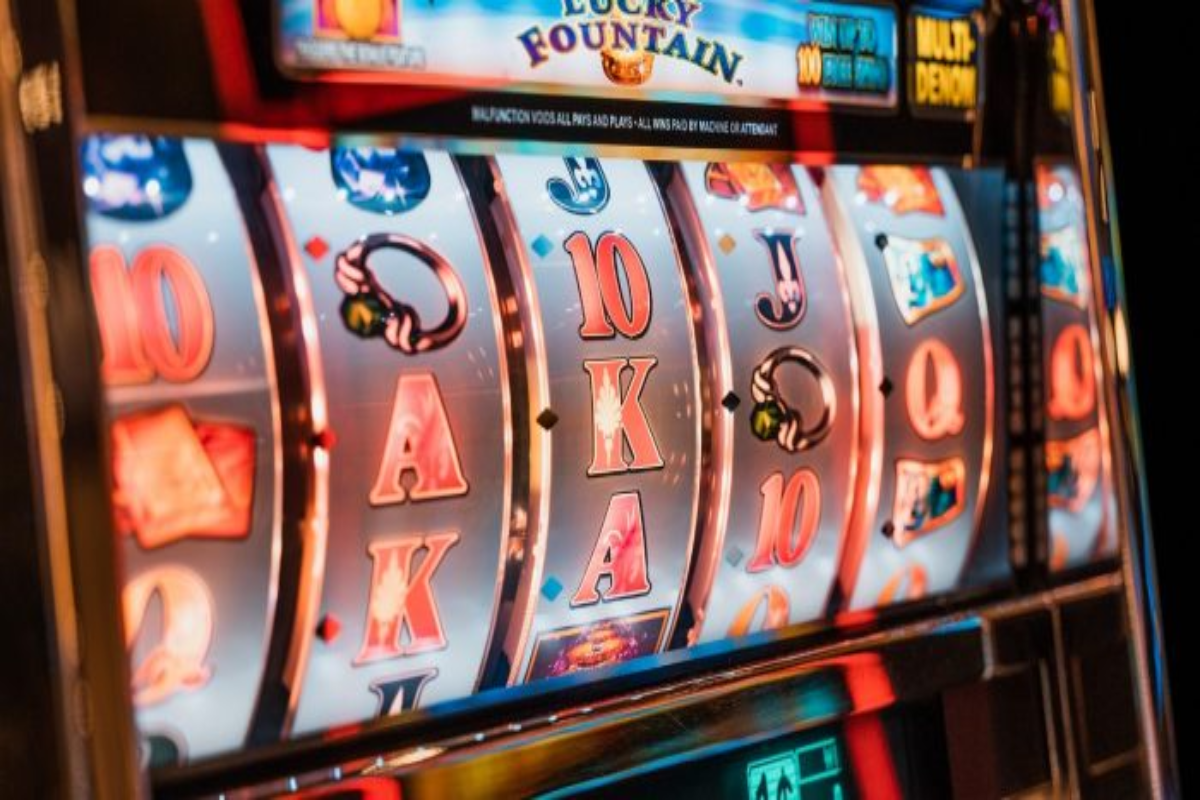
Moreover, the environment within casinos is meticulously designed to maximize this allure. Bright lights, vibrant colors, and dynamic sounds create an immersive experience that keeps players engaged and encourages longer play sessions. Casinos also often use strategies like offering complimentary drinks or hosting events to enhance the excitement and prolong the player experience, further playing on the psychological triggers that influence behavior.
The Role of Social Interaction
Social interaction is another significant psychological trigger in casino behavior. Many players enjoy the communal aspect of gaming, which can create a sense of belonging and camaraderie. This social dynamic can enhance the enjoyment of playing, as individuals share experiences, celebrate wins, and even console each other during losses. The social environment fosters an atmosphere that can lead to prolonged play and increased spending, as players are often influenced by the behavior and emotions of those around them.
Group dynamics and peer pressure can also come into play. When individuals observe their friends or fellow players engaging in a particular behavior—whether it’s wagering larger amounts or celebrating wins—they may feel compelled to mirror that behavior. This phenomenon can lead to higher stakes and increased gambling activity, as individuals strive to fit in or seek approval from their peers. The desire for social acceptance can be a powerful motivator, often outweighing rational decision-making.
Furthermore, the advent of online casinos has transformed social interaction into a digital format. Players can engage with others through live chat features or virtual tables, which replicate the communal experience found in physical casinos. This connection can evoke feelings of connection and excitement, enticing players to return frequently and gamble more, as they navigate both the thrill of chance and the shared experience with others.
The Impact of Rewards and Reinforcement
Reward systems are crucial in understanding gambling behavior, as they leverage psychological principles of reinforcement. Casinos employ various strategies to reward players, from loyalty points to progressive jackpots, creating an ongoing cycle of engagement. Each win, no matter how small, acts as a reinforcement, encouraging players to continue betting in hopes of repeating their successes. This system can lead to a phenomenon known as the “near miss,” where players come close to winning but fall short, often motivating them to play again to achieve that win.
Additionally, variable ratio reinforcement schedules, where rewards are given at unpredictable intervals, can create addictive behaviors. Players become conditioned to continue gambling due to the anticipation of potential rewards, leading to repeated visits and increased stakes. The excitement of possibly winning can overshadow the reality of loss, pushing players to engage in riskier behaviors as they chase their next reward.
This reinforcement dynamic is particularly pronounced in the context of slot machines, where bright graphics, sounds, and frequent payouts can create a euphoric experience. The sensory feedback and reward schedules are designed to maximize excitement, often leading to longer play sessions as players become immersed in the experience. Understanding these reinforcement triggers can provide valuable insight into why individuals may struggle with gambling-related issues.
The Influence of Marketing and Promotions
Casino marketing strategies are finely tuned to exploit psychological triggers, utilizing various tactics to attract and retain players. Promotional offers, bonuses, and advertising campaigns are designed to evoke feelings of excitement and urgency. For instance, limited-time offers can create a sense of scarcity, urging players to act quickly to secure bonuses or enter tournaments. This psychological phenomenon encourages impulsive behavior, leading individuals to gamble more than they may have initially intended.
Furthermore, the use of high-profile endorsements and celebrity appearances in advertising plays on aspirational desires. Players may be drawn to casinos that feature celebrities, believing that by participating, they too can experience a lifestyle of luxury and excitement. Such marketing strategies tap into the emotional triggers that motivate individuals, creating a stronger desire to engage with the casino environment.
The effect of branding cannot be underestimated in influencing player behavior. Casinos that establish a strong, recognizable brand identity can evoke trust and loyalty among players. This loyalty can lead to increased spending and frequent visits, as players become attached to the unique experiences each brand offers. Understanding how marketing influences psychology is essential for both players and operators to navigate the gambling landscape effectively.
A Resource for Responsible Gambling
In today’s gaming environment, where psychological triggers play a significant role in casino behavior, the importance of responsible gambling cannot be overstated. Websites dedicated to providing resources for players, such as understanding payment methods and the risks associated with gambling, are invaluable. These platforms often highlight safe practices, encouraging users to set limits and recognize the signs of problematic behavior. Through education and support, players can make informed decisions that enhance their gaming experiences.
Moreover, understanding the psychological triggers at play can empower players to take control of their gambling habits. Platforms that educate users about the impacts of risk, social dynamics, and rewards can help demystify the experience and promote healthier attitudes towards gaming. This empowerment can lead to a more enjoyable and sustainable approach to gambling, ensuring that players are fully aware of the risks and benefits associated with their activities.
As casinos evolve, the integration of responsible gambling initiatives becomes increasingly important. Websites that prioritize player safety and well-being foster trust and create a more positive gaming environment. By connecting players with resources that emphasize responsible practices, these platforms contribute to a culture of awareness and mindfulness in gambling behavior, allowing individuals to enjoy the thrill without compromising their well-being.