The Allure of Casino Gambling
Casino gambling has long fascinated individuals with the promise of excitement and the potential for wealth. This allure is often fueled by portrayals in movies and media, which romanticize the lifestyle of high rollers and the thrill of hitting the jackpot. Many people are drawn to the idea that with merely a roll of the dice or a spin of the slot machine, they could transform their fortunes overnight, especially when considering options like rocket casino mobile that offer convenient access to games. However, it’s essential to consider the reality behind these enticing narratives, which often gloss over the significant risks and losses involved in gambling.
Another dimension to the allure of casinos is the atmosphere they create. The lights, sounds, and social interactions combine to form an environment that is stimulating and engaging. This creates an almost euphoric experience, drawing individuals into a world where they can forget their everyday concerns. The psychological effects of this environment can amplify risk-taking behaviors, leading many to gamble more than they initially intended. The appeal, while enticing, can result in problematic gambling behaviors for some individuals.
Casino gambling thrives on excitement, but it’s crucial to approach it with a clear understanding of personal limits and the odds of various games. Many believe that luck determines the outcome, but in reality, each game has its own set of odds and probabilities that should be understood. Recognizing that casinos are businesses focused on profit can help temper unrealistic expectations, emphasizing the importance of responsible gambling practices and understanding the underlying mechanics of games.
The Myth of Easy Money
One of the most pervasive myths is that casino gambling offers an easy path to wealth. Many people assume that skilled players can continuously win and that luck is solely responsible for success. In reality, while there are strategies that can improve odds in some games, the house ultimately always has the advantage. Therefore, although some players may enjoy temporary success, the majority will experience losses over time, reinforcing the idea that gambling is not a reliable source of income.
The misconception that casino gambling is a straightforward way to make money is further exacerbated by the allure of promotional offers and bonuses. While these incentives may seem attractive, they often come with terms and conditions that can be misleading. Many new players may fail to read the fine print, leading them to believe they are gaining an advantage when in fact they might be increasing their risk of loss. Understanding how these promotions work is vital to maintaining a realistic approach to gambling.
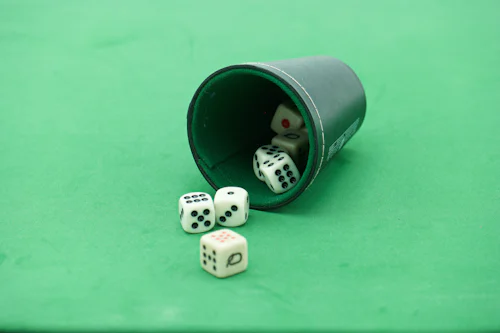
Additionally, the unpredictability of games like slots and roulette adds to this myth. Players often recall stories of big winners while overlooking the countless others who lose. The gambling experience can feel rewarding and thrilling, leading many to believe that they are destined to win. However, it is vital to approach gambling with the mindset of entertainment rather than a guaranteed investment, understanding that losses are common and expected in this setting.
The Illusion of Control
Another common myth surrounding casino gambling is that players can control the outcome of games through skill or strategies. Games like poker do require skill and strategy, but many other games, such as slots or roulette, rely primarily on chance. This misconception can lead individuals to believe they can manipulate outcomes through various tactics or superstitions, which ultimately undermines the randomness that governs these games. Recognizing the difference between skill-based games and games of chance can help demystify this illusion.
Even in skill-based games, it’s important to understand the role of luck. Experienced players know that even the best strategies can lead to losses, and no amount of skill can guarantee success consistently. This belief in control can lead to a false sense of security, prompting gamblers to wager more than they can afford. The psychological aspect of believing one can influence outcomes can be dangerous, as it may result in chasing losses and developing harmful gambling habits.
The randomness of game outcomes means that understanding probability is crucial. Players should familiarize themselves with game rules and their odds to make informed decisions. Learning to appreciate the entertainment aspect of gambling while respecting its unpredictable nature can help individuals maintain a healthier approach. By debunking the myth of control, players can adopt more realistic expectations, ensuring that their gaming experience remains enjoyable rather than detrimental.
The Belief in Lucky Charms and Rituals
The belief in lucky charms and rituals is another myth that pervades the gambling culture. Many players carry specific items or engage in particular behaviors, convinced that these will influence their luck. These rituals can range from wearing certain clothing to performing specific actions before a game, creating a psychological comfort that players equate with success. While these rituals may provide a sense of empowerment, they do not actually affect the outcomes of games governed by chance.

This connection between superstitions and gambling is deeply rooted in human psychology. Players often seek patterns in randomness, causing them to believe that certain actions can sway fate in their favor. This cognitive bias can lead to greater engagement with gambling but can also encourage individuals to make irrational decisions. In the end, these beliefs serve to distract from the understanding that luck is entirely random, and the outcomes of casino games are not influenced by personal beliefs or rituals.
Understanding the nature of luck in gambling is crucial to dispelling this myth. Players should focus on the enjoyment and entertainment value of the experience rather than relying on rituals and superstitions. By embracing a rational approach to gambling, individuals can reduce the likelihood of developing harmful dependencies while still enjoying the thrill that comes with playing games of chance.
Responsible Gambling and Awareness
As the myths surrounding casino gambling become more prevalent, the importance of responsible gambling cannot be overstated. Awareness of the psychological and emotional aspects of gambling can help individuals navigate their experiences more safely. It is crucial to recognize one’s limits and approach gaming with a mindset focused on entertainment rather than financial gain. Establishing boundaries and understanding the risks associated with gambling can significantly mitigate adverse outcomes.
Many casinos and online platforms have implemented responsible gambling initiatives to promote safer gaming practices. These includes features like deposit limits, self-exclusion options, and access to resources for those needing assistance. By encouraging players to take control of their gambling habits, these measures aim to foster a healthier relationship with gaming. Educating oneself about available tools can empower players to make informed decisions and enjoy gambling responsibly.
Furthermore, a supportive community and access to educational resources can enhance awareness of gambling myths and their potential impact. Organizations dedicated to gambling education offer insights on navigating the gaming world responsibly. By fostering an informed community, individuals can break the cycle of misinformation and promote a healthier view of casino gambling, emphasizing enjoyment rather than danger. In this way, the focus shifts from myths to informed, responsible participation in the gambling landscape.